
Nos ingrédients ont été étudiés en essais cliniques humains et bénéficient de protections par des brevets internationaux

Le collagène est la protéine la plus abondante du corps humain. Il représente environ 30 à 35 % des protéines totales de l’organisme.
Il joue un rôle essentiel dans la structure et la résistance des tissus conjonctifs tels que les os, les cartilages, les tendons, les ligaments, les fascias et la peau.
Le collagène est constitué de longues chaînes d’acides aminés, principalement la glycine, la proline et l’hydroxyproline. Ces chaînes s’organisent en trois brins enroulés les uns autour des autres pour former une structure caractéristique en triple hélice, qui lui confère sa solidité et son élasticité.
À partir de 25 ans, la production naturelle de collagène diminue progressivement. Cette baisse est estimée en moyenne entre 1 et 1,5 % par an.
Cette diminution varie selon plusieurs facteurs, notamment le mode de vie, l’exposition au soleil, l’alimentation et les prédispositions génétiques.
Une diminution du collagène se manifeste par :
• une perte d’élasticité de la peau
• l’apparition de rides
• des douleurs articulaires
• une diminution de la mobilité
• une fragilisation des cheveux et des ongles
La perte de collagène peut être limitée par une hygiène de vie adaptée et par un apport en peptides de collagène, également appelés collagène hydrolysé.
Ces acides aminés permettent alors d’obtenir une meilleure biodisponibilité
Avantages du Collagène INITIAL :
• Combinaison ciblée : Type I et II d’origine marine + membrane de coquille d’oeuf : 3 sources de collagènes;
• Formulation :
- Vitamine C > assimilation optimisée, rôle essentiel dans l’hydroxylation de la proline
- Coenzyme Q10> lutte contre l’oxydation des cellules et leur dégradation, améliore la fonction mitochondriale, ralentit l’arthrose et l’inflammation.
• Galénique poudre : Poids moléculaire des peptides de collagène: entre 2000 et 3000 Daltons
• Plusieurs goûts : Cacao ou Mangue, pour rendre votre consommation plus savoureuse.
• Formule justement dosée, soit 1 dosette pour obtenir la quantité journalière nécessaire, soit 6250 mg
Convient aux consommateurs intolérants au gluten et au lactose, sans sucre ajouté et sans additifs.

PEA
La palmitoyléthanolamide (PEA) est un lipide naturellement produit par l’organisme et appartenant à la famille des N‑acylethanolamines. Elle est obtenue par synthèse ou par extraction à partir de matières végétales riches en lipides. Elle exerce des actions anti‑inflammatoires et analgésiques et est disponible comme complément alimentaire ou médicament selon les pays.
Its main role is to help regulate inflammation and pain at the tissue level.
Mechanism of action
• PPAR-α activation PEA activates a nuclear receptor called PPAR-α. When activated, PPAR-α reduces the expression of genes that promote inflammation, thereby decreasing the production of pro-inflammatory mediators.
• Modulation of immune cells It limits the activation and degranulation of mast cells (cells involved in inflammatory and allergic reactions) and moderates the activity of microglia (immune cells of the nervous system). By reducing the release of cytokines and other mediators, it alleviates local inflammation.
• Entourage effect on the endocannabinoid system It indirectly increases the action of endocannabinoids, which helps regulate pain perception (nociception).
• Interaction with neural channels/pathways : PEA modulates ion channels and receptors involved in pain transmission, helping to reduce nerve fibre sensitisation and pain signal transmission.
• Final effect : by combining these actions, PEA reduces local inflammation and nerve sensitivity, leading to pain reduction and functional improvement.
Use in joint and inflammatory pain
PEA is used as an adjunctive treatment for chronic or inflammatory pain:
> osteoarthritis and certain mixed pains (inflammatory + neuropathic).
> reducing pain, improving mobility and, in some cases, reducing the use of non-steroidal anti-inflammatory drugs (NSAIDs).
COENZYME Q10
Coenzyme Q10 (or CoQ10) is a natural molecule found in all cells of the human body, essential for energy production. It is an essential fat-soluble antioxidant that plays a key role in the functioning of mitochondria, the true "powerhouses" of cells.
It is found naturally in certain foods (meat, fish, nuts), but its synthesis decreases with age, with certain chronic diseases, or when taking medications such as statins.
It is often used as a dietary supplement to boost cellular energy, combat chronic fatigue, support cardiovascular health and improve joint comfort.
Mechanism of action
Coenzyme Q10 acts through several fundamental mechanisms:
Production d’énergie: Il intervient directement dans la chaine respiratoire mitochondriale, permettant aux cellules de produire l’ATP, la principale source d’énergie du corps.
Powerful antioxidantIt protects cells against free radicals and oxidative stress, the main factors in premature ageing and chronic inflammation.
Cardiovascular protection: It supports cardiac function by improving the energy efficiency of the heart muscle and reducing oxidative damage.
Muscle and joint supportBy reducing the production of free radicals, it can limit muscle or joint pain associated with exertion or ageing.
Use for inflammatory or joint pain
Several studies have shown that coenzyme Q10 may be beneficial for:
-> Reduce joint pain, particularly in people suffering from osteoarthritis or chronic inflammation, thanks to its antioxidant and anti-inflammatory effects.
-> Improve muscle recovery in athletes or in cases of chronic muscle fatigue.
-> Reduce pain in patients taking statins, a drug known to cause muscle and joint pain (myalgia).
-> Support the reduction of oxidative stress, which contributes to cartilage degradation and inflammatory pain.
-> Promotes cellular energy in joint and muscle tissue, thereby improving fatigue resistance and recovery.

MAGNESIUM
Magnesium is a mineral that is essential for the proper functioning of the body. It is involved in more than 300 enzymatic reactions and plays a fundamental role in the nervous, muscular and cardiovascular systems, as well as in cellular energy production.
Le magnésium ne peut pas être produit par l’organisme : il doit être apporté quotidiennement par l’alimentation ou par des compléments, surtout en cas de carences ou de besoins accrus (stress, fatigue, sport…)
Mechanism of action
Le magnésium agit à plusieurs niveaux de l’organisme:
Neuromuscular regulationIt stabilises nerve and muscle membranes, limiting excessive excitability. It is therefore useful in cases of cramps, spasms or nervousness.
Energy productionMagnesium is essential for the formation of ATP, the molecule that provides energy to cells.
Reduction of stress and anxietyIt regulates the release of neurotransmitters such as GABA, which promotes mental and physical relaxation.
Moderate anti-inflammatory effectA good magnesium intake reduces inflammation markers and helps to reduce chronic pain caused by inflammation.
Use for pain, inflammation or joint disorders
Although magnesium is not an anti-inflammatory per se, it acts in a complementary manner to support muscle, nerve and joint tissue.
Muscle aches and cramps
-> Relieves muscle spasms, cramps and pain associated with magnesium deficiency.
-> Essential for athletes, elderly people, or those experiencing stress
Chronic fatigue, widespread pain
-> Recommended for fibromyalgia, chronic fatigue or unexplained widespread pain
-> Helps reduce the perception of pain associated with stress or overwork
Indirect joint support
-> By maintaining good muscle tone, it preserves joint balance and reduces mechanical tension.
-> Its anti-stress action helps reduce joint tension caused by rigid or tense posture.

BROMELIN
Bromelain is a natural enzyme complex extracted from the stem or juice of pineapple (Ananas comosus). It belongs to the family of proteolytic enzymes, which are capable of breaking down proteins into peptides and amino acids.
Traditionally used in herbal medicine and nutrition, bromelain is valued for its digestive, anti-inflammatory and analgesic properties.
Mechanism of action
Bromelain acts through several biological mechanisms:
– Enzyme activityIt breaks down proteins, thereby reducing the formation of pro-inflammatory complexes in tissues.
- Anti-inflammatory actionIt inhibits the production of pro-inflammatory substances (prostaglandins, cytokines) and reduces the infiltration of inflammatory cells (neutrophils, macrophages).
- Anti-oedematous actionIt promotes fluid drainage and reduces swelling by increasing vascular permeability.
- Fibrinolytic action: It dissolves fibrin deposits, reducing microclots and facilitating local circulation in inflamed areas.
– Indirect analgesic effectBy reducing inflammation and oedema, it decreases pressure on the nerves, which alleviates pain.
Use for inflammatory or joint pain
Bromelain is a natural ally for relieving various musculoskeletal disorders:
Joint pain (osteoarthritis, mild arthritis)
-> Reduction in pain associated with chronic inflammation
-> Improved joint mobility
-> Natural alternative or complement to conventional anti-inflammatory drugs
Muscle or tendon inflammation
-> Relief from pain after intense physical exertion
-> Useful for tendonitis, bruising or mild lower back pain
Trauma and recovery
-> Promotes the resorption of haematomas, bruises and post-traumatic oedema
-> Recommended after surgery or trauma (sprain, contusion)
Boswellia serrata
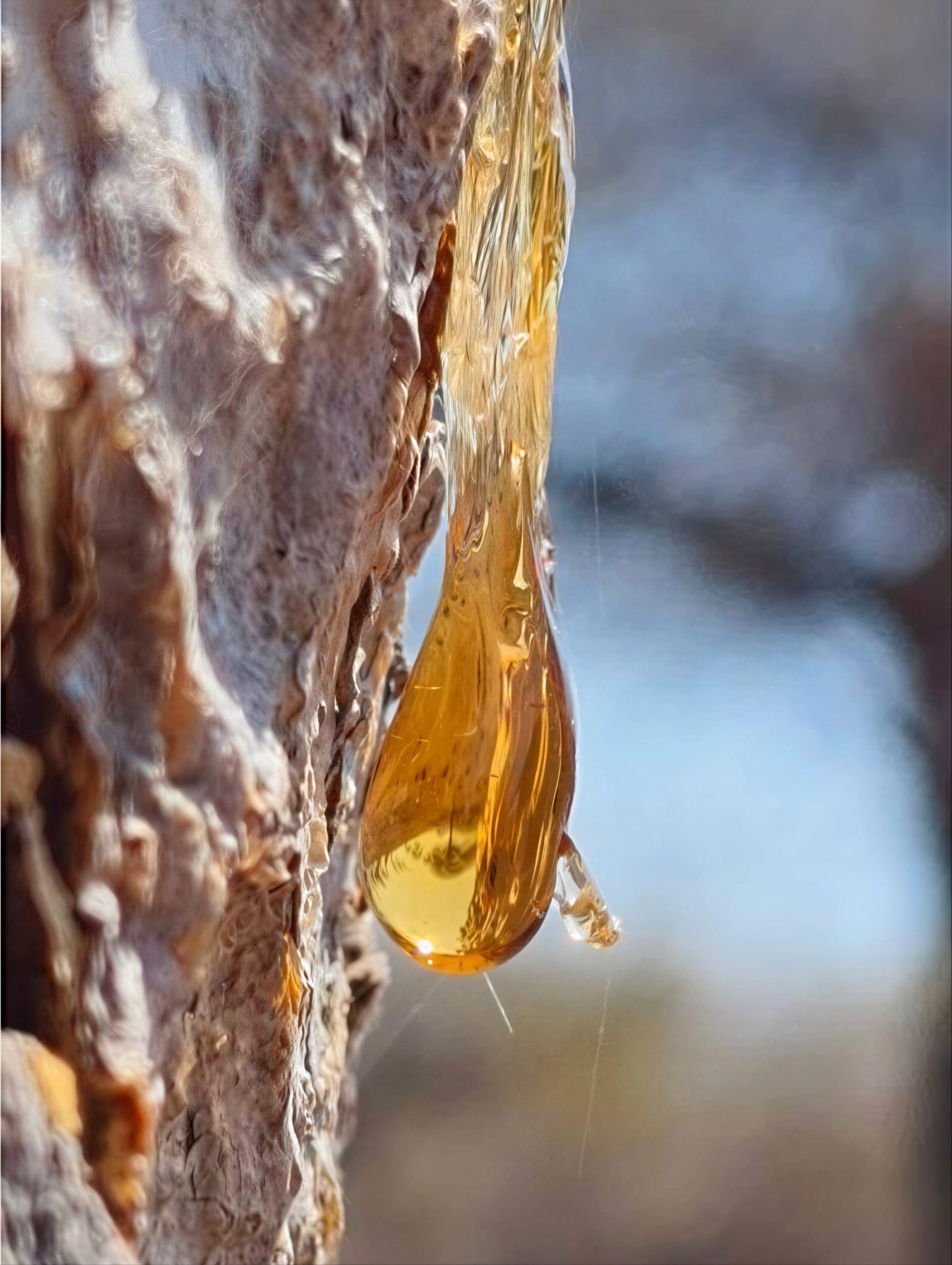
Boswellia serrata is a tree native to India, North Africa and the Middle East.
The resin extracted from its bark, traditionally called " indian incense », est utilisée depuis de siècles en médecine ayurvédique pour ses propriétés anti-inflammatoires.
The main active compounds in Boswellia are boswellic acids, particularly acetyl-11-keto-β-boswellic acid (AKBA), which is recognised as the most biologically active.
Mechanism of action
Boswellia serrata has anti-inflammatory properties that are neither cortisone-based nor NSAID-based, with a mechanism that differs from that of conventional anti-inflammatory drugs.
Its main biological effects include:
- Selective inhibition of 5-lipoxygenase (5-LOX): Reduction in the synthesis of leukotrienes, major mediators of chronic inflammation.
- Decrease in leukocyte infiltration at the level of inflamed tissues
- Modulation of pro-inflammatory cytokine production
- Protection of joint cartilage: by limiting the activity of enzymes involved in its degradation (metalloproteinases)
Unlike NSAIDs, Boswellia does not inhibit cyclooxygenase (COX), which explains its better digestive tolerance.
Use for inflammatory or joint pain
Boswellia serrata is particularly used in cases of joint pain with an inflammatory component, including:
– Inflammatory osteoarthritis
– Arthritis (including rheumatoid arthritis, as an adjunct treatment)
– Chronic joint pain
– Morning stiffness and limited mobility
– Periarticular inflammation (tendons, ligaments)
Observed clinical benefits:
-> Reduction in joint pain
->Reduction in stiffness and oedema
->Improved mobility and joint function
->Progressive action, suitable for long-term treatment
GINGER
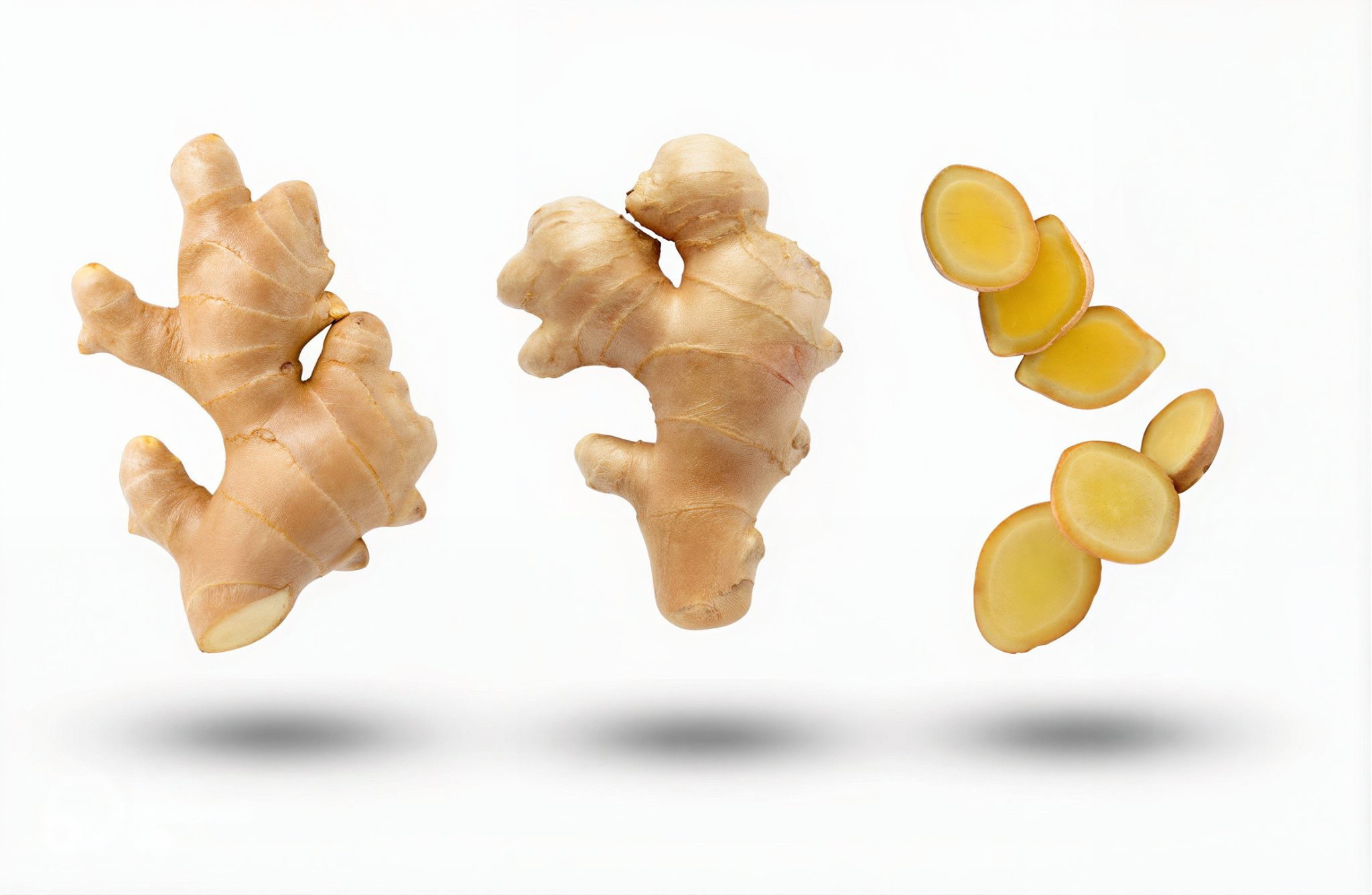
Le gingembre est une plante médicinale originaire d’Asie, dont le rhizome (partie souterraine) est utilisée depuis l’Antiquité pour ses verues digestives, anti-inflammatoires et anti-oxydantes.
Its main active ingredient is gingerol, a compound with powerful biological properties, particularly in the management of joint pain, digestive disorders and chronic inflammation.
Mechanism of action
Ginger acts through several natural pathways, making it a versatile ally against inflammation and pain:
Anti-inflammatory action: Gingerols and shogaols (other active compounds) inhibit COX-2 and 5-LOX enzymes, reducing the production of prostaglandins and leukotrienes, two pro-inflammatory substances.
Antioxidant effect: Le gingembre neutralise les radicaux libres, protégeant les tissus contre le stress oxydatif, facteur aggravant des douleurs chroniques.
Analgesic effect: By reducing inflammatory mediators, it indirectly acts to reduce pain (particularly muscle and joint pain).
Effect on digestion: stimulatesbile secretion and helps relieve nausea, bloating and functional digestive disorders.
Use in inflammatory and joint pain
Ginger is increasingly being used as a natural alternative or supplement to non-steroidal anti-inflammatory drugs (NSAIDs).
Joint and muscle pain
-> Relieves pain associated with osteoarthritis, arthritis or rheumatism
-> Reduces stiffness and improves joint flexibility
-> Natural support for athletes or elderly people
Chronic inflammation
-> Slows down low-grade inflammatory processes (silent inflammation)
-> May help relieve pain associated with inflammatory digestive disorders (colitis, gastritis)
Complementary digestive support
-> Reduces digestive discomfort often associated with joint pain (related to stress or medication use)

VITAMIN D3
Vitamin D3 is a fat-soluble vitamin, also considered a prohormone. It is the natural form produced by the skin under the action of the sun's UVB rays.
Ses sources alimentaires sont principalement : poissons gras (saumon, maquereau, sardine), jaune d’oeuf, foie, produit laitiers enrichis, huiles de foie de poisson, et certains champignons.
La vitamine D3 a pour rôle de favoriser l’absorption intestinale du calcium et du phosphore et de participer à la minéralisation osseuse, à la santé musculaire et au fonctionnement immunitaire.
Mechanism of action
Activation en deux étapes :
Converted in the liver to 25-hydroxyvitamin D (circulating form measured in blood tests).
Converted in the kidneys to 1,25-dihydroxyvitamin D (calcitriol), an active form that acts as a hormone.
Actions physiologiques principales :
Régulation du métabolisme phosphocalcique : augmente l’absorption intestinale du calcium et réduit l’excrétion rénale.
Modulation of the immune system : rôle immune-régulateur en limitant les réactions auto-immunes et en régulant l’inflammation.
Muscular and nervous effects : améliore la fonction musculaire et prévient la faiblesse musculaire.
Use for inflammatory or joint pain
Effects on joint pain
-> Vitamin D deficiency is frequently associated with diffuse musculoskeletal pain, non-specific joint pain and chronic fatigue.
Supplementation often reduces pain, especially in patients with deficiencies.
Anti-inflammatory effect
-> Vitamin D3 modulates pro-inflammatory cytokines and promotes the production of anti-inflammatory cytokines.
-> Reduces low-grade chronic inflammation, which is common in osteoarthritis, lower back pain and certain types of inflammatory pain.
Use in rheumatology
-> Soutien osseux : prévention de l’ostéoporose, des fractures et de la perte osseuse chez les personnes souffrant de maladies inflammatoires chroniques.
-> Complément des maladies auto-immunes : souvent intégré dans la prise en charge de maladies comme la polyarthrite rhumatoïde ou la spondylarthrite.
ACÉROLA – Vitamine C
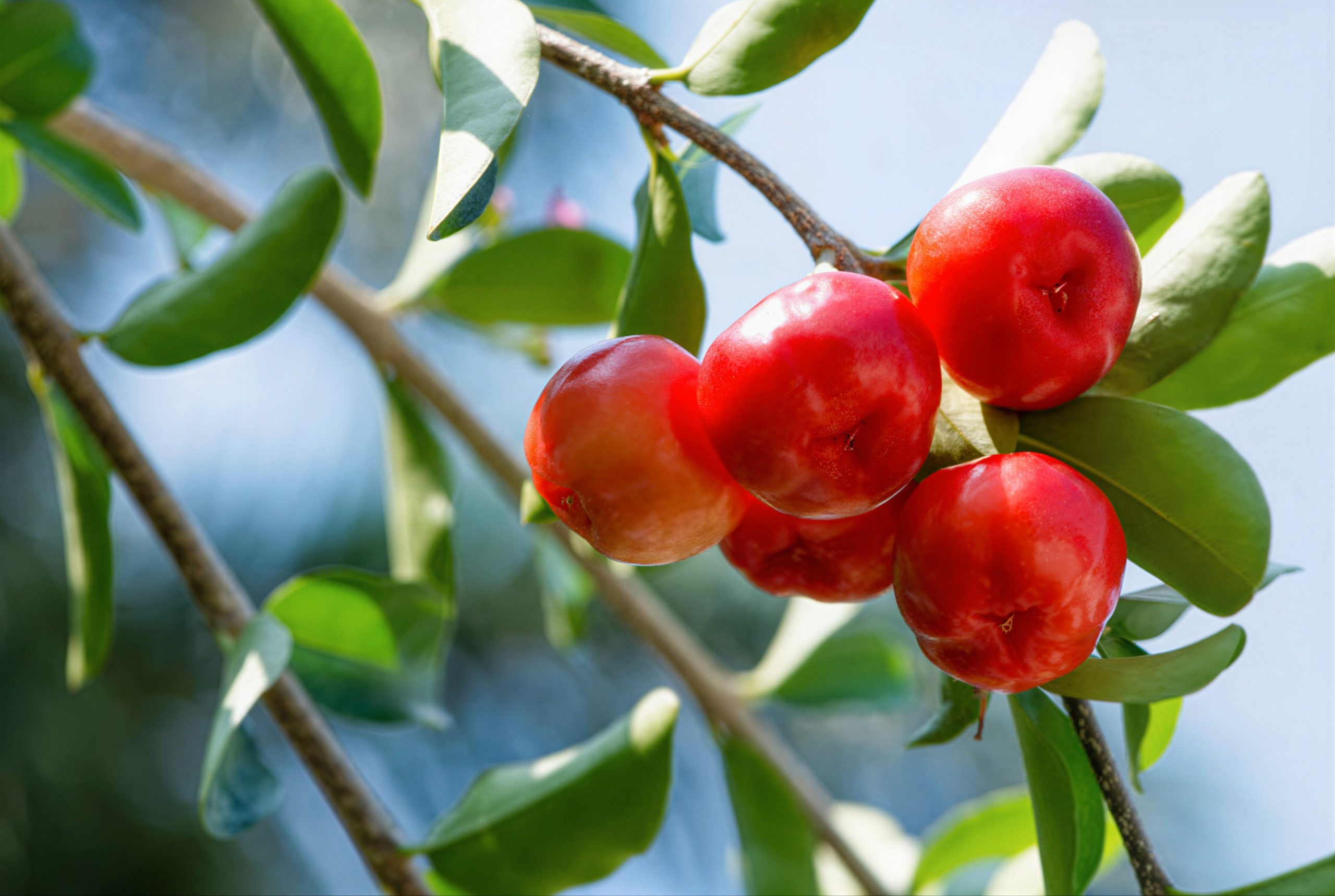
Acerola, also known as Malpighia glabra, is a small red fruit native to South America and the Caribbean, often referred to as the "Antillean cherry". It is renowned for its exceptionally high natural vitamin C (ascorbic acid) content, up to 40 to 100 times higher than oranges of the same weight.
Mechanism of action
Acerola acts mainly through its high vitamin C and natural antioxidant content (flavonoids, anthocyanins, carotenoids), which give it immunostimulant, anti-inflammatory and antioxidant properties.
Vitamine C : cofacteur enzymatique indispensable à la synthèse du collagène (protéine structurale des articulations, tendons, ligaments).
Helps reduce oxidative stress, a major factor in chronic inflammatory processes.
Strengthens the immune system and modulates the inflammatory response.
Flavonoïdes et anthocyanes : possèdent une activité anti-inflammatoire naturelle: inhibition des enzymes impliquées dans l’inflammation.
Protect joint tissue from deterioration caused by ageing or exertion.
Use for inflammatory or joint pain
Acerola is an excellent natural ally for joint comfort, particularly in the following cases:
Chronic joint pain
-> In cases of osteoarthritis, arthritis or tendinitis, acerola helps reduce joint inflammation by acting on free radicals and pro-inflammatory mediators.
Muscle fatigue and recovery
-> Vitamin C helps reduce fatigue and promote muscle recovery, which is useful in cases of post-exercise pain or intensive training.
Strengthening cartilage and connective tissue
-> By stimulating collagen synthesis, acerola helps maintain joint integrity.
Vitamin B1
Vitamin B1, or thiamine, is a water-soluble vitamin in the B group that is essential for many metabolic functions in the body. It cannot be synthesised by the human body and must be obtained through diet or supplementation. It plays a key role in energy production and the functioning of the nervous, muscular and cardiovascular systems.
Mechanism of action
Vitamin B1 acts primarily as enzyme cofactor in the metabolism of carbohydrates, lipids and amino acids.
Energy production : elle est essentielle à la transformation du glucose en énergie (ATP) par son rôle dans le cycle de Krebs et la glycolyse.
Nervous function : elle participe à la transmission de l’influx nerveux et au bon fonctionnement des nerfs, en facilitant la synthèse de l’acétylcholine, un neurotransmetteur clé.
Muscle and heart support : elle contribue à l’activation des muscles et soutient la fonction myocardite, essentielle pour un coeur en bonne santé.
Regulation of the stress response : en tant que vitamine du groupe B, elle joue une rôle dans la gestion du stress et la fatigue nerveuse.
Use for inflammatory or joint pain
Vitamin B1 plays an indirect role in reducing certain muscular or neurological pains, particularly in cases of nervous fatigue or oxidative stress.
Neuromuscular support
-> Promotes nerve transmission to the muscles, thereby limiting cramps, spasms, or muscle weakness.
-> Recommandée en complémentation chez les personnes présentant des douleurs neuropathiques ou musculaires liées à une carence, en particulier dans certaines pathologies articulaires ou musculaires.
Joint support
-> Helps reduce inflammatory joint pain, especially when combined with magnesium.
-> Recommended for people suffering from carpal tunnel syndrome, muscle pain or neuropathies.
Reduction of inflammation
-> Limite l’activation excessive du système immunitaire, participant ainsi à la modulation de la réponse inflammatoire.
-> Its action on neurotransmitters may also help modulate the perception of chronic pain.
Improved recovery
-> Contributes to tissue regeneration and muscle protein synthesis after exercise or injury.
-> Peut contribuer à limiter la fatigue nerveuse et musculaire chez les sportifs ou les personnes actives.
Vitamin B6
La vitamine B6, ou pyridoxine, est une vitamine hydrosoluble du groupe B, essentielle au bon fonctionnement de l’organisme. Elle ne peut pas être synthétisée par le corps humain et doit donc être apportée par l’alimentation ou la supplémentation. La vitamine B6 intervient dans plus de 100 réactions enzymatiques, elle est impliquée dans de nombreuses fonctions métaboliques, notamment dans le métabolisme des protéines , la production d’énergie, la synthèse des neurotransmetteurs et le fonctionnement du système immunitaire.
Mechanism of action
Vitamin B6 acts primarily as an enzyme cofactor in numerous biochemical reactions.
Synthesis of neurotransmitters : elle participe à la fabrication de la sérotonine, de la dopamine, de la noradrénaline et du GABA, jouant ainsi un rôle important dans la régulation de l’humeur, du sommeil et du stress.
Protein metabolism : elle est essentielle pour le métabolisme des acides aminés, favorisant la transformation et l’utilisation des protéines dans l’organisme.
Fonction immunitaire : elle soutient la production de lymphocytes et d’anticorps, renforçant ainsi les défenses immunitaires.
Energy production : elle contribue au métabolisme du glycogène et favorise la libération d’énergie à partir des réserves glucidiques.
Hormonal regulation : elle participe à la synthèse et à l’équilibre de certaines hormones, ce qui peut influencer les douleurs menstruelles et les troubles prémenstruels.
Use for inflammatory or joint pain
In cases of chronic inflammatory or joint pain (arthritis, osteoarthritis, associated muscle pain), vitamin B6 can offer additional support:
-> Regulation of pain perception via its role in neurotransmitter synthesis.
-> Modulation of inflammatory processes by acting on the immune pathways involved in chronic pain.
-> Reduction in fatigue associated with prolonged inflammation, improving the physical and mental resilience of people with joint conditions.
-> It can also enhance the action of other nutrients often found in joint formulations, such as magnesium, omega-3s, and vitamin D.
VITAMIN B12
Vitamin B12 is an essential water-soluble vitamin belonging to the B vitamin group. It is mainly found in animal products (meat, offal, fish, eggs, dairy products). Its role is to participate in the formation of red blood cells. It is essential for the functioning of the nervous system and is involved in DNA synthesis and amino acid metabolism.
Mechanism of action
Enzyme cofactor : la vitamine B12 agit comme coenzyme pour deux réactions principales:
Conversion of homocysteine to methionine via methionine synthase : essentiel pour la régénération de la myéline (gaine protectrice des nerfs)
Conversion du méthylmalonyl-CoA en succinyl-CoA via la méthylmalonyl-CoA mutase : important pour le métabolisme énergétique.
Fonctions clés :
Neurological : maintien de la santé des neurones et prévient les dégénérescences nerveuses.
Haematological : prévient l’anémie mégaloblastique.
Indirect anti-inflammatory : en réduisant l’homocystéine (pro-inflammatoire), elle contribue à un équilibre métabolique plus sain.
Use for inflammatory or joint pain
Pain relief role
-> Contributes to low-grade inflammation by reducing homocysteine.
-> Certain studies indicate a beneficial effect in rheumatology (osteoarthritis, chronic joint pain).
Clinical use
-> Deficiency to be corrected systematically in cases of chronic pain, particularly if associated with fatigue, paraesthesia or cognitive impairment.

La membrane de coquille d’œuf est une fine couche naturelle située entre la coquille dure de l’œuf et le blanc d’œuf. Riche en protéines structurales, elle contient naturellement du collagène de type I, V, X, ainsi que de nombreux autres composants essentiels à la santé articulaire :
- Elastin, which contributes to tissue flexibility,
- Acide hyaluronique, reconnu pour son action hydratante et lubrifiante,
- Glucosamine and chondroitin, two key molecules for maintaining cartilage.
Egg membrane is a 100% natural ingredient, usually available in powder or capsule form after a gentle separation process without chemicals.
Mechanism of action
La membrane de coquille d’oeuf agit via plusieurs mécanismes bénéfiques :
Structural effect : l’apport de collagène, élastine et d’acide hyaluronique contribue à renforcer la structure du cartilage et des tendons, tout en améliorant l’élasticité des tissus.
Reduction of inflammation : elle favorise un équilibre inflammatoire sain en réduisant la production de cytokines pro-inflammatoires (effet démontré dans les études cliniques)
Joint lubrication : grâce à sa richesse en acide hyaluronique, la membrane d’œuf améliore la lubrification articulaire et aide à prévenir la raideur.
Stimulation of joint regeneration : qa composition naturelle stimule la production de molécules essentielles à la réparation du cartilage.
Use for inflammatory or joint pain
Eggshell membrane is widely used for:
Reduce joint pain
-> Particularly in people suffering from chronic joint discomfort, mild to moderate osteoarthritis, or tendon pain.
Reduce joint inflammation
-> Noticeable effects after 7 to 10 days and optimal results after around 4 to 6 weeks
Improve joint mobility and flexibility
-> Particularly among athletes and elderly people
Speed up recovery after exercise
-> Promotes the regeneration of connective tissue
Natural support with no side effects
-> Good digestive tolerance profile